
The Generational Shift Is Already Here
By Luke Williams · September 3, 2026
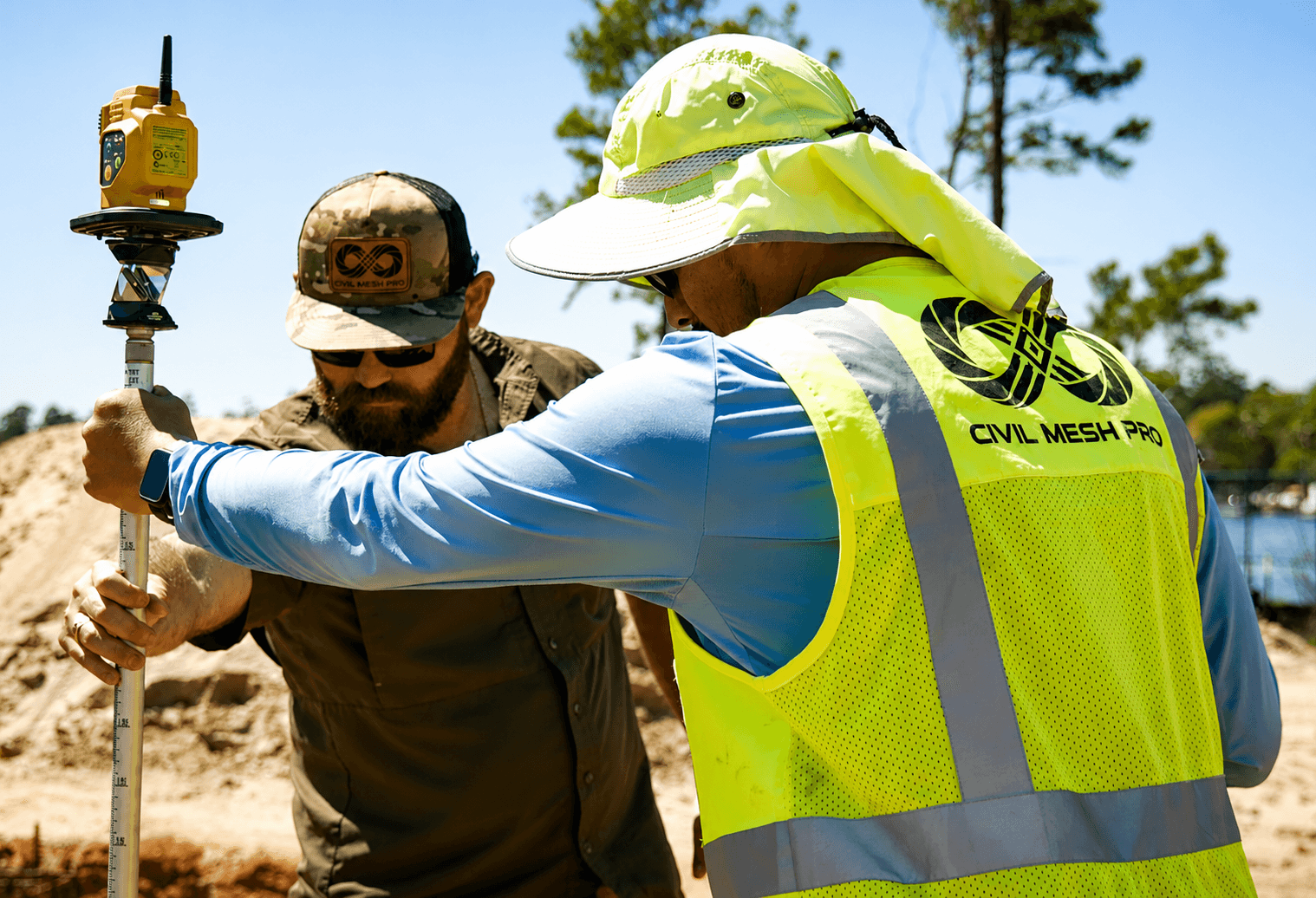
The average surveyor is 60 years old.
That number is more than a workforce statistic. It is a signal that a generational transition is no longer approaching. It is underway. Decades of hard-earned field knowledge are moving toward retirement at the same time that a new generation is stepping into the industry with different expectations, different tools, and a very different relationship with technology.
This shift will change how work is measured, documented, communicated, and delivered. The companies that recognize it early will have time to build capability. Those that wait may find themselves competing against organizations that have already integrated surveying technology into their everyday production systems.
0
Average surveyor age, industry estimate
0–20%
Contractors self-performing surveying 20 years ago
0–70%
Contractors self-performing surveying today
New Tools. New Practices. Higher Output.
The incoming generation is adopting new technology faster because digital systems already feel natural to them. Machine control, drones, GNSS equipment, reality capture, cloud-based coordination, and model-driven workflows are becoming normal parts of the job rather than specialized extras.
The culture is changing too. There is less attachment to formality for its own sake and more emphasis on useful information, quick decisions, and measurable productivity. The goal is not simply to collect more data. It is to create dependable field information that crews can act on, with fewer assumptions, fewer preventable miscalculations, and a clearer connection between the model and what is actually being built.
Self-Performed Construction Surveying Is Becoming the New Dividing Line.
Twenty years ago, an estimated 15–20% of contractors performed their own construction surveying. Today, that figure is estimated at 60–70%. The exact percentages vary across markets, but the direction is unmistakable: contractors are bringing more layout, verification, measurement, and field-data capability in-house.
This is not only a change in who performs the work. It changes the speed of decision-making. A contractor with an internal surveying system can respond faster, verify work more often, reduce handoffs, and connect field conditions directly to operations. When that capability is paired with strong models and reliable processes, surveying becomes part of the production engine.
The next competitive advantage will not come from simply owning the technology. It will come from using it well: consistently, confidently, and at scale.
Why Utilization Matters Most
There will not be a perfectly fair race between companies that self-perform and companies that continue to depend on outside availability for every measurement. The contrast will become more visible as self-performing firms build their own systems, standards, trained teams, and technology infrastructure.
But ownership alone is not the final line. The question to watch is utilization: who will use these capabilities most effectively across estimating, planning, layout, verification, quantity tracking, documentation, and closeout? The firms that turn technology into a repeatable operating system will create the largest advantage.
The Takeaway: Site Intelligence That Connects the Model, the Field, and the People Doing the Work.
Civil Mesh Pro helps contractors use surveying technology consistently, confidently, and at scale.
Frequently Asked Questions
Why does the average surveyor's age matter for construction companies?
Industry estimates put the average surveyor at 60 years old, which signals that a generational transition in surveying is already underway, not approaching. Decades of field knowledge are moving toward retirement as a new generation with different tools and expectations steps in, which changes how work is measured, documented, communicated, and delivered.
What percentage of contractors self-perform construction surveying today?
An estimated 60–70% of contractors self-perform construction surveying today, up from roughly 15–20% twenty years ago. The exact figures vary by market, but the direction is consistent: contractors are bringing more layout, verification, measurement, and field-data capability in-house.
Is owning surveying technology enough to create a competitive advantage?
No. Ownership alone is not the final line. The advantage comes from utilization: using the technology consistently, confidently, and at scale across estimating, planning, layout, verification, quantity tracking, documentation, and closeout.
What technology is driving the generational shift in surveying?
Machine control, drones, GNSS equipment, reality capture, cloud-based coordination, and model-driven workflows are becoming standard parts of the job rather than specialized extras, largely because the incoming generation already treats digital systems as second nature.
What changes for a contractor that self-performs construction surveying?
A contractor with an internal surveying system can respond faster, verify work more often, reduce handoffs, and connect field conditions directly to operations. Paired with strong models and reliable processes, surveying becomes part of the production engine instead of an outside dependency.