
How Much of Your Fuel Bill Is Actually Moving the Job Forward?
By Luke Williams · September 29, 2026
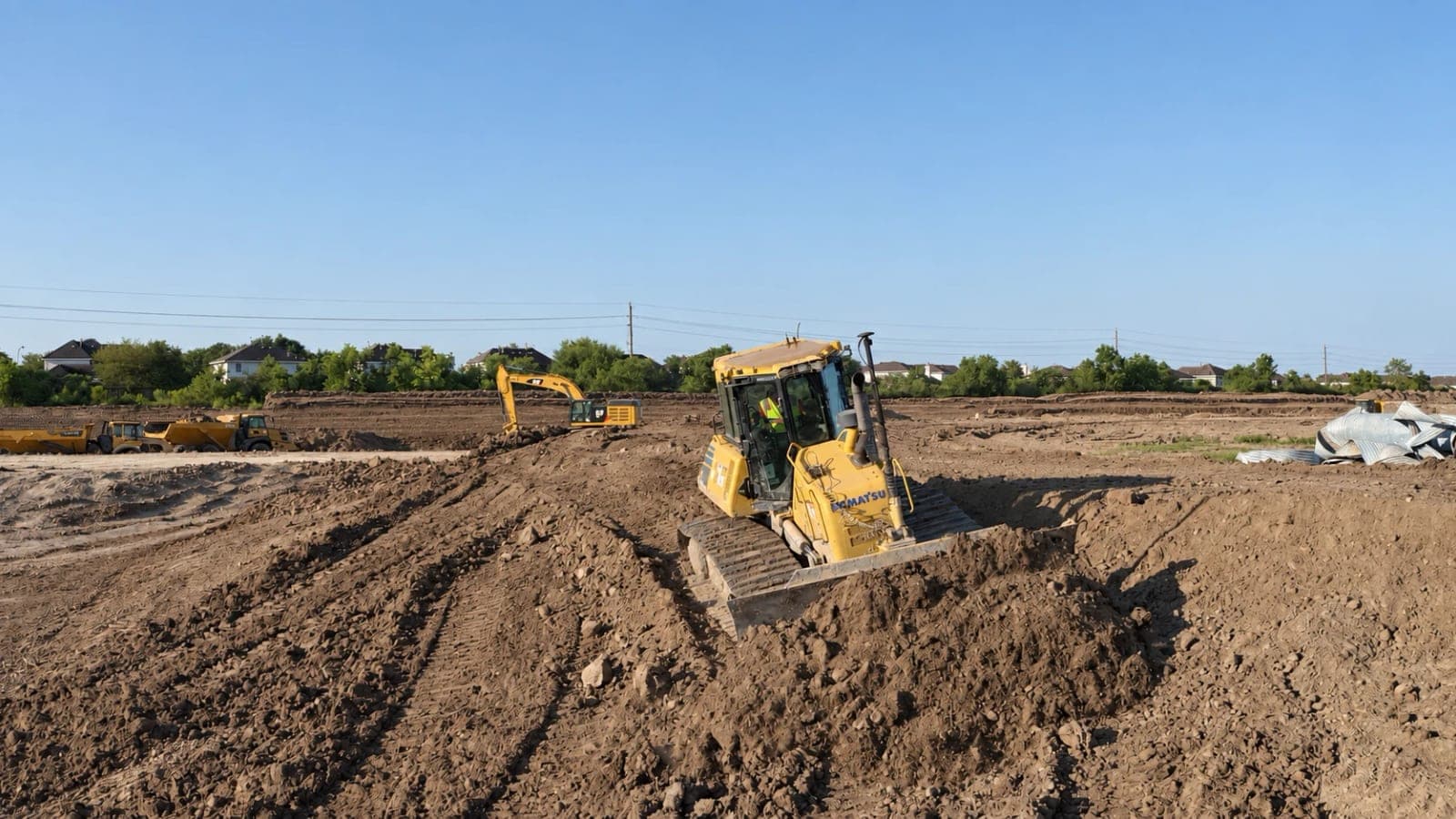
With diesel prices where they are right now, it shocks me how many efficiency opportunities are still being overlooked on jobsites.
The national average for highway diesel reached $6.53 per gallon on September 21, almost a dollar more than at the end of August, according to the EIA. Your off road fuel price will differ, but the question is the same. How much production are you getting out of the fuel you’re purchasing?
$6.53
National average on-highway diesel, September 21 2026
+$0.93
Increase per gallon since August 31 2026
The Hours That Add Up
Think about a dozer making multiple passes because the operator doesn’t have a clear picture of where grade needs to be. An excavator digging, stopping for a grade check, making an adjustment and checking again. A grader coming back to correct a street that was already worked.
Each unnecessary pass or correction costs fuel, labor and machine hours. Across several machines and several jobs, that adds up.
Here’s a simple example. If a machine averages 5 gallons an hour and you complete the same work in 8 hours instead of 10, at the same average fuel burn, that’s 10 gallons saved. You’ve also freed up 2 hours to put toward the next task.
That’s an example, not a guaranteed result. But it shows why looking at gallons per hour alone doesn’t tell you the whole story. You also need to know how much work those gallons accomplished.
Owning the System Isn’t Enough
Machine control is one opportunity. Accurate models, better planning and operators who understand the systems are just as important.
Are you using machine control for the initial street cut but leaving it out when regrading after stabilization? Does your excavator have a system that the operator doesn’t feel comfortable using? Is the crew working from the current model?
These are things worth looking at before accepting the fuel bill as just another cost of doing business.
The technology can help reduce unnecessary passes, overexcavation and repeated grade checks. But it has to be set up correctly and used consistently to provide that value.
The Takeaway
We can’t control the price of diesel. We can control how we plan the work, how we equip our crews and how well we use what we already own.
The opportunity isn’t always buying another machine. Sometimes it’s getting more production out of the machines you’re already paying for.
Source: U.S. Energy Information Administration weekly retail price for on-highway diesel, September 21 2026. The gallons-per-hour figure above is an illustration, not a measured result.
Frequently Asked Questions
Why does fuel price make machine control worth another look?
Because the cost of every unnecessary pass went up. A dozer making extra passes, an excavator stopping repeatedly for grade checks, or a grader returning to correct a street already worked all burn fuel, labor and machine hours. When diesel rises almost a dollar a gallon in a month, the same inefficiency costs more than it did in August.
Isn’t gallons per hour the number to watch?
It only tells you the burn rate, not what the burn produced. A machine can hold a steady gallons-per-hour figure while making passes it didn’t need to make. The useful question is how much completed work those gallons bought.
We already own machine control. Isn’t that covered?
Owning the system isn’t the same as getting the value from it. It has to be set up correctly and used consistently: accurate models, crews working from the current model, and operators who are comfortable running the system. A system an operator avoids using isn’t producing anything.
Where should we start looking?
Three questions from the piece. Are you using machine control for the initial street cut but leaving it out when regrading after stabilization? Does an excavator have a system the operator doesn’t feel comfortable using? Is the crew working from the current model?