
Why Stop Using Machine Control After the Initial Street Cut?
By Luke Williams · September 21, 2026
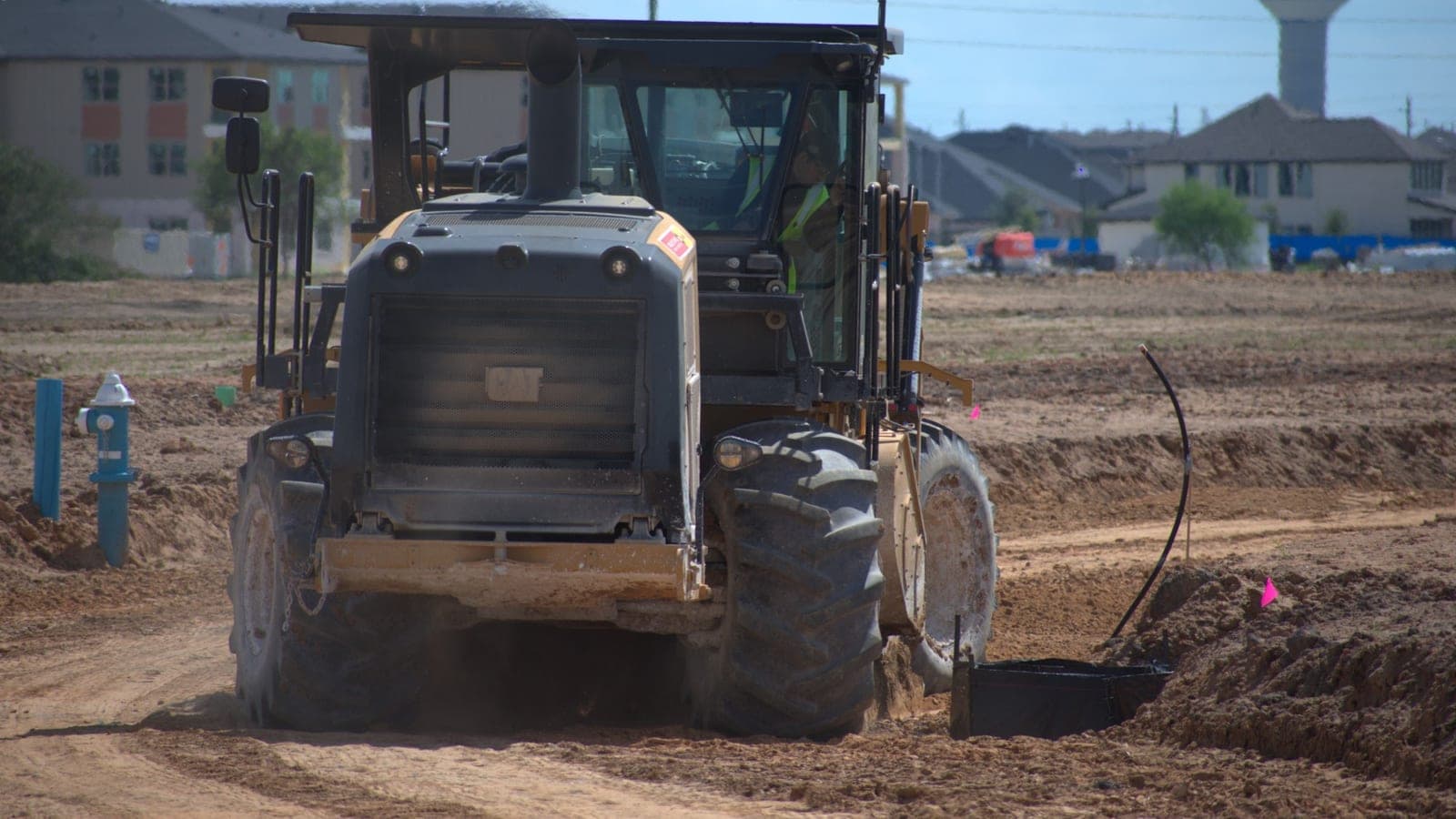
It shocks me how many contractors use machine control for the initial grading of street cuts but don’t use GPS machine control when regrading after soil stabilization on roadways.
They use the technology to establish the initial grade, then return to blue tops, form setting, and grading between forms to finish the work. In my experience, that process can take double or triple the time it needs to.
Meanwhile, other contractors use GPS machine control to regrade the streets after stabilization. When the paving crew arrives, the grade is close enough to begin setting string lines immediately. With a properly configured system and verification that the required tolerances have been met, they can often move straight into setting forms as well.
The difference is in how the work is approached.
Carry the Technology Through the Job
Machine control has already helped the crew establish the initial street cut. But that isn’t the end of the grading process.
After stabilization, the surface still needs to be brought to the required grade before paving. That is another opportunity to use the model and equipment to guide production.
When crews return to a more manual process at this stage, they can spend additional time establishing references, checking elevations, making corrections, and working around forms. Each step adds time to the transition between stabilization and paving.
Using machine control for the regrade gives the operator a consistent reference across the roadway. The crew can work toward the required surface before the paving crew arrives, rather than leaving the final grading corrections to be worked out around the forms.
A Better Handoff to the Paving Crew
Think about the difference between these two situations.
In one, the paving crew arrives while grading corrections are still underway. The crews have to coordinate around incomplete work, establish references, and resolve elevations before moving forward.
In the other, the street has already been regraded, checked, and prepared for the next operation. The paving crew can begin setting string lines and forms with fewer interruptions.
That is where the value becomes visible. It isn’t just about how quickly a machine grades the surface. It is about how effectively one crew hands the job over to the next.
A grading operation that finishes ready for paving can save time across the entire sequence.
Accuracy Still Has to Be Verified
Machine control does not eliminate the need to check the work.
The model needs to represent the correct surface and account for the pavement section. Site control, equipment setup, and calibration need to be right. The finished grade still needs to be checked against the project’s requirements.
Those checks are what allow the team to move forward with confidence.
The point is to make verification part of an efficient grading process, with the technology helping the operator get there.
The Takeaway
If you are already using machine control for the initial street cuts, look at how your team handles the regrade after stabilization.
Are you carrying the model and equipment through that operation? Or are you adding manual steps that could be reduced?
Talk through the sequence with the grading, stabilization, and paving crews. Establish which surface the operator needs, how the finished grade will be verified, and what condition the paving crew expects when they arrive.
There may be a straightforward opportunity to get more production from the equipment and systems you already have.
Finish the grading with the same technology that helped you start it.
Frequently Asked Questions
Why do crews stop using machine control after the initial street cut?
Habit, mostly. The initial cut is treated as the machine control operation, and the regrade after stabilization is treated as a manual one: blue tops, form setting, and grading between forms. The model and the equipment are already on the job, so the second operation is an opportunity that often goes unused.
What changes for the paving crew?
When the street has already been regraded and checked, the paving crew can begin setting string lines immediately, and often move straight into setting forms. When it hasn’t, they arrive while grading corrections are still underway and have to coordinate around incomplete work, establish references, and resolve elevations first.
Does machine control remove the need to verify grade?
No. The model still needs to represent the correct surface and account for the pavement section, site control and equipment calibration still need to be right, and the finished grade still needs to be checked against the project’s requirements. The goal is to make verification part of an efficient process, not to skip it.
Where should a contractor start?
Walk the sequence with the grading, stabilization, and paving crews together. Agree on which surface the operator needs, how the finished grade will be verified, and what condition the paving crew expects on arrival.