
MM GPS: Does It Belong on the Grader, the Rover or Both?
By Luke Williams · October 7, 2026
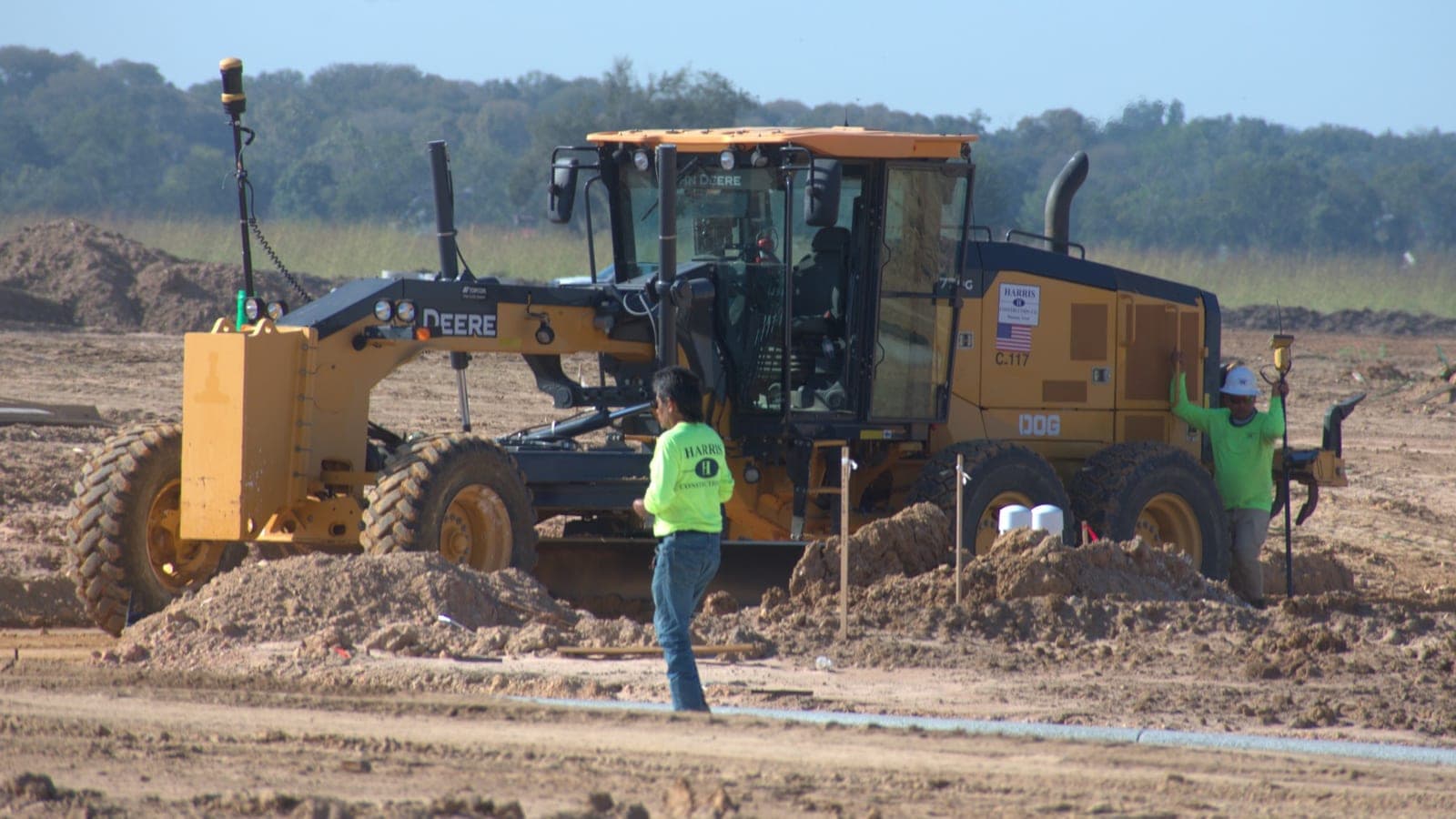
How many of y’all are using MM GPS on your graders and rovers? And where are you seeing the most value?
In my experience, the answer depends on the work you’re doing and who’s running the machine.
The Operator Makes a Difference
Your typical experienced grader operator is already a pro. Give them a properly set string line, and they can cut that grade pretty much right on.
For the average residential street section, I question whether putting MM GPS on the grader provides enough additional value to justify the investment. That isn’t saying the system doesn’t work. It’s asking how much it improves the process you already have.
If your operator is consistently producing the grade you need, what’s the machine system going to change? Less setup? Fewer passes? Less checking? Those are the things I’d want to evaluate.
Long Stretches Are a Different Conversation
On a long boulevard or an extended stretch of roadway, I see a stronger case for MM GPS on the grader.
That’s where I’d look closely at how much string line setup, manual checking and adjustment the system could reduce over the length of the project.
The question isn’t just whether the machine can hit grade. It’s how efficiently the whole crew can get there.
Where I See the Value
For the residential work I’m describing, the MM rover is where I see the clearer value. You still need a way to check the work and give the operator reliable information, whether the grader has the machine system or not.
My take is that I’d prioritize the MM rover for the average residential section. For long roadway projects, I’d give the grader system a much closer look.
Are you running MM GPS on the grader, the rover or both? Where has it actually earned its keep?
Frequently Asked Questions
What is MM GPS?
Millimeter GPS: a positioning setup accurate to the millimeter range vertically, rather than the centimeter range standard GPS delivers. It gets used two ways on a grading job. On the machine, it drives the blade. On a rover pole, it checks grade and feeds the operator reliable information.
Grader or rover first?
For the average residential street section, Luke would prioritize the rover. You need a way to check the work and give the operator reliable numbers whether or not the grader carries a machine system. The grader system is the larger investment and the harder one to justify when the operator is already producing the grade.
When does the grader system make more sense?
On a long boulevard or an extended run of roadway. That is where string line setup, manual checking and adjustment repeat often enough over the length of the project that reducing them adds up.
How should we evaluate it for our own work?
Ask what the system changes about the process you already run. Less setup? Fewer passes? Less checking? If an experienced operator with a properly set string line is already cutting the grade right on, the question isn’t whether the system works. It is how much it improves what you have.